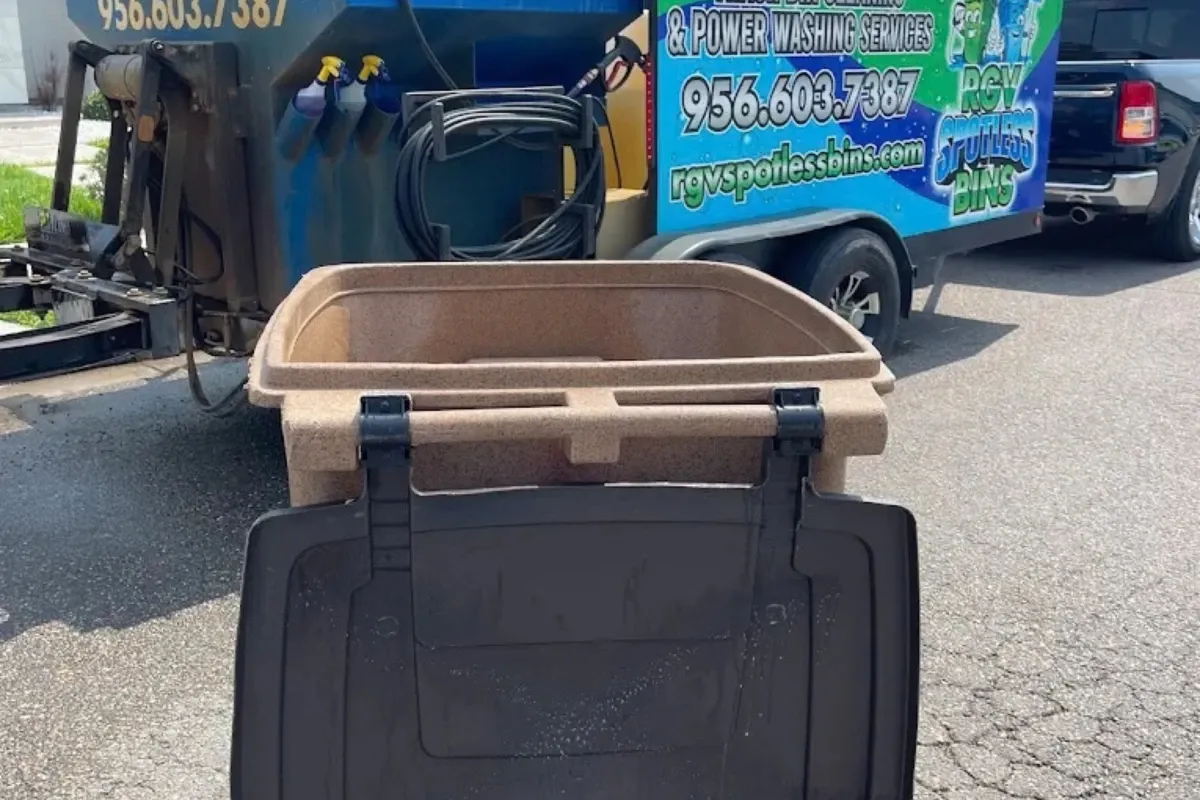
Why Rinsing a Garbage Bin With a Garden Hose Often Isn’t Enough
A quick blast from the garden hose can make a garbage bin look better, but appearance only tells part of the story. Water may wash away loose debris and some visible dirt, yet sticky residue, leaked liquids, food buildup, and odor-causing material can remain attached to the bottom, walls, lid, and seams.
That is why proper garbage can cleaning usually requires more than simply adding water. The goal is not to suggest that you cannot clean a bin yourself. You can. The difference is that thorough garbage can cleaning focuses on loosening and removing stubborn buildup instead of only rinsing away whatever comes off easily.
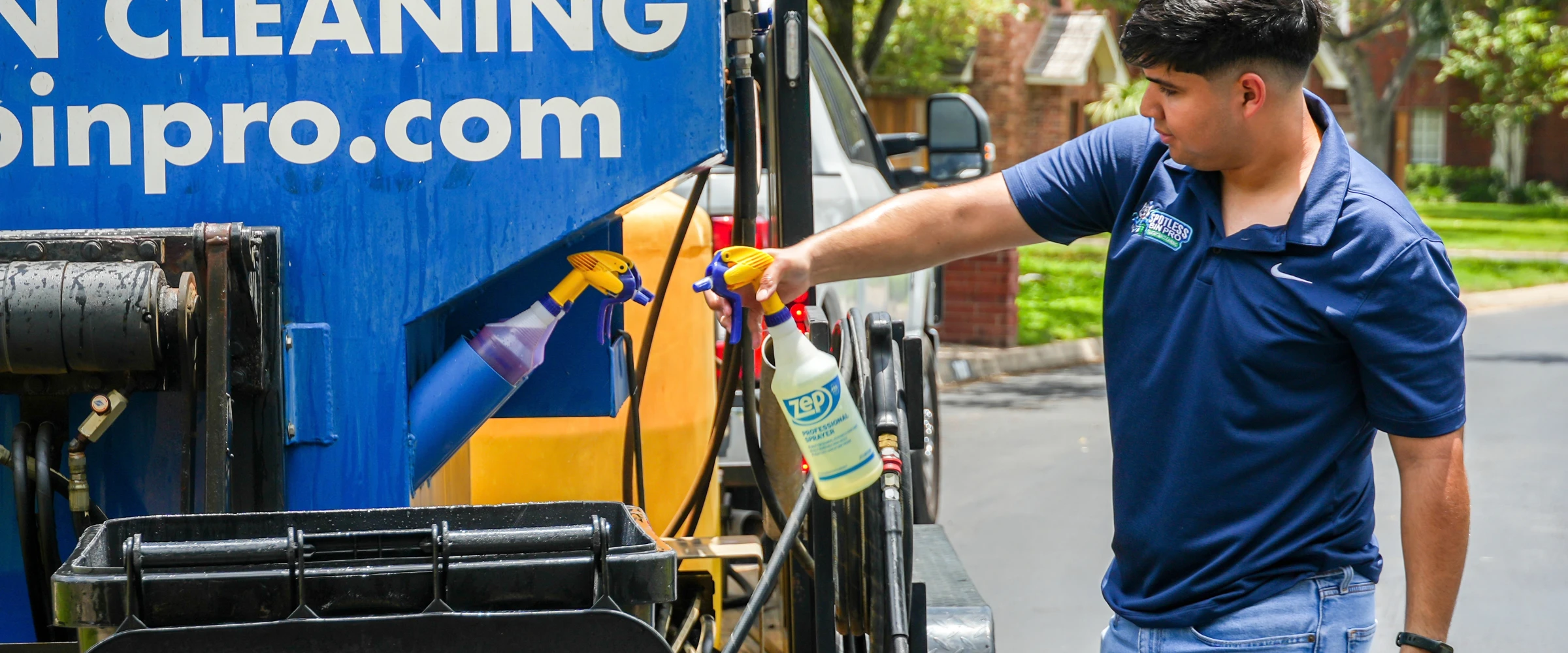
What a Garden Hose Actually Does Well
There is nothing wrong with using a hose for basic maintenance. If your garbage bin is already fairly clean, rinsing it after collection can remove loose dirt, small scraps, dust, and some fresh residue.
The limitation is water pressure and cleaning action. A household hose mainly moves water across the surface. It does not automatically loosen grease, dried food residue, sticky liquids, or material that has been sitting inside the container through several collection cycles.
Think about rinsing a dirty dinner plate without soap or scrubbing. Some material disappears immediately, while the oily or dried-on layer often stays behind. The inside of a garbage bin can behave the same way.
Why Water Alone Can Leave Buildup Behind
Garbage is rarely completely dry. Bags can leak, containers can spill, and food waste can release moisture as it sits in the bin.
Once those liquids reach the bottom or sides, they can mix with dirt and organic material. After drying, the residue may cling to the plastic rather than wash away during a quick rinse.
The shape of the bin creates another challenge. Corners, seams, the underside of the lid, handles, and areas around the wheels are not always reached effectively by water sprayed from above. Even if the center of the container looks noticeably cleaner, residue may remain in less visible areas.
For homeowners dealing with repeated buildup, professional garbage can cleaning can provide a more thorough option than repeatedly rinsing the same problem areas with a garden hose.
Rinsing Does Not Mean the Same Thing as Cleaning or Sanitizing
These terms are often used interchangeably, but they describe different jobs.
Rinsing primarily uses water to carry away loose material. Cleaning involves physically removing dirt, grime, and organic matter, often with a suitable cleaning product and some form of scrubbing or mechanical cleaning. Sanitizing is another step with its own product requirements and directions.
The distinction matters because a bin that looks cleaner after rinsing has not necessarily gone through a sanitizing process. The CDC explains that cleaning removes dirt and impurities from surfaces and should generally happen before sanitizing or disinfecting.
This is one reason simply spraying more water into a dirty garbage can may reach a point of diminishing returns. If residue is still attached to the surface, the cleaning action itself needs to change.
Why a Bin Can Still Smell After You Rinse It
One of the clearest signs that rinsing did not remove everything is a smell that returns as soon as the container warms up.
Odors commonly develop around leaked food waste, liquids, moisture, and organic material stuck to the bin. A hose may dilute or temporarily wash away some of that material without fully removing residue from the surface.
The result can be confusing: the water running out of the bin looks clearer, but the smell remains.
Heat can make this more noticeable. During hot South Texas weather, residue and food waste sitting inside an outdoor container may develop unpleasant odors faster, especially when moisture is trapped beneath the lid.
Cleaning the source of the odor is generally more useful than simply trying to cover the smell. Even after a thorough cleaning, however, odors can return as new garbage and leaking waste enter the container.
Can You Thoroughly Clean a Garbage Bin Yourself?
Yes. A homeowner can do a more complete job than a basic hose rinse.
The key is to treat rinsing as one part of the process rather than the entire process. Start with an empty bin after trash collection. Loose debris can be rinsed away first, making it easier to see which areas still need attention.
For remaining grime, use a cleaning product that is appropriate for the material and follow its label directions. Physical agitation with a suitable long-handled brush can help loosen residue that water alone leaves behind. Pay attention to the inside walls, bottom, lid, and other areas where material tends to collect.
If you use cleaning or sanitizing products, never assume that stronger or more chemicals will produce a better result. Follow the manufacturer's directions, confirm that the product is appropriate for the surface, and never mix cleaning chemicals. CDC guidance specifically warns against mixing cleaning and disinfection products.
Finally, rinse the container and allow it to dry as thoroughly as practical before adding new trash.
When Professional Cleaning Starts to Make More Sense
DIY cleaning can work well when a bin only needs occasional attention. There are also situations where doing the job yourself becomes less appealing.
A professional service may make sense when residue has been building up for months, odors quickly return after rinsing, garbage bags frequently leak, the container is difficult to scrub thoroughly, or you simply do not want to handle the dirty water and physical cleaning yourself.
Professional bin cleaning should not be confused with someone casually spraying the cart with a pressure washer. Dedicated garbage-bin cleaning services can use equipment and processes specifically designed for cleaning containers.
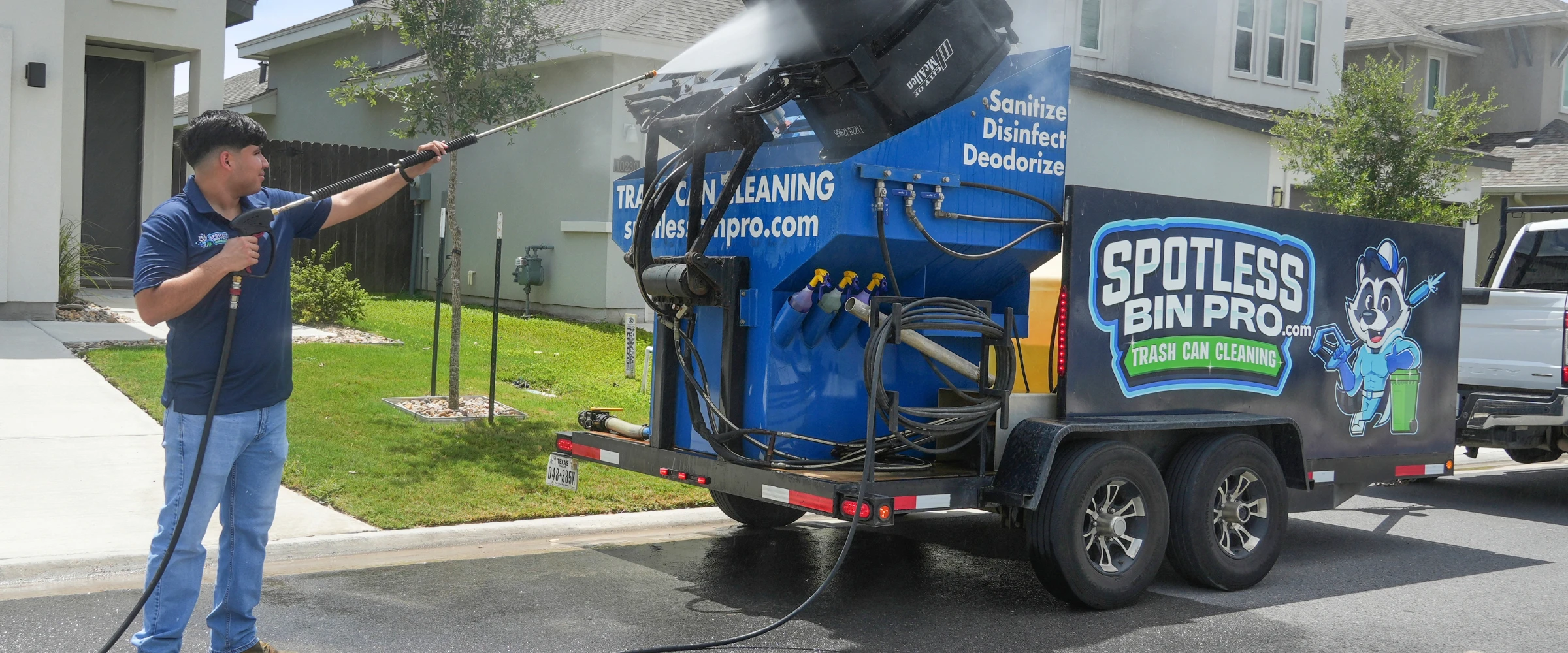
For Spotless Bin Pro customers, the process goes beyond a garden hose. Our verified cleaning system uses hot water and high-pressure cleaning along with sanitizing and deodorizing, with service designed around the normal trash-collection routine.
That additional cleaning action is what addresses the residue a basic rinse may leave behind.
Small Habits Can Reduce Buildup Between Cleanings
How you use the bin also affects how quickly it becomes dirty.
A properly closed garbage bag reduces the chance of food waste and liquids escaping into the container. Double-check bags containing wet food waste before putting them into the cart, and avoid allowing loose garbage to collect at the bottom whenever possible.
It also helps to deal with a spill relatively quickly. Fresh residue is generally easier to remove than material that has been allowed to dry repeatedly between collection days.
Cleaning frequency does not have to be identical for every household. A home that produces little food waste may have very different needs from a household where bags frequently leak or several people use the same bin.
Useful Resources for Safer DIY Bin Upkeep
EPA Safer Choice Product Search. Homeowners comparing household cleaners can use the EPA's searchable database of products that meet its Safer Choice Standard. The tool also includes an option for products marketed for outdoor uses. EPA Safer Choice Product Search
CDC Cleaning and Disinfecting Guidance. The CDC explains the differences between cleaning, sanitizing, and disinfecting and provides practical guidance on using household cleaning products safely. CDC: When and How to Clean and Disinfect Your Home
EPA Guidance on Sanitizers and Disinfectants. If you are considering a product that makes sanitizing or disinfecting claims, the EPA explains how those claims differ from ordinary cleaning and why following the product label matters. EPA: Cleaning, Sanitizing, and Disinfecting Explained
Always check the manufacturer's directions before using a cleaner on your garbage bin, and do not combine different cleaning chemicals.
Frequently Asked Questions About Garbage Can Cleaning
What Does Your Garbage Can Cleaning Service Include?
Our garbage can cleaning service gives your trash cans a much deeper wash than you can usually get with a garden hose, broom, or quick rinse. Our cleaning system uses hot water and a professional pressure washer to remove dirt, grime, debris, bacteria, germs, and residue from the inside and outside of your bins.
We wash, sanitize, and deodorize the trash cans so they are cleaner, odor-free, and smelling fresh when the job is finished. We also take care of the dirty water created during the cleaning process instead of simply letting it run around your driveway, garage, or neighborhood.
Why Should I Have My Trash Cans Professionally Cleaned?
Regular trash pickup removes the trash bag, but it does not clean the container. Leaking plastic bags, food waste, liquids, and loose trash can leave dirt and grime around the bottom, walls, lid, and other parts of outdoor trash bins.
Over time, that buildup can create unpleasant odors, a foul smell, bacteria, flies, and even maggots. You may spray the bin with a garden hose and rinse it several times, but stubborn residue can still remain. Our trash can cleaning service handles the dirty work by giving the entire bin a more complete scrub, wash, sanitize, and deodorize process.
It also saves you from putting a dirty trash can in your bathtub or trying to clean an awful-smelling bin by hand.
Will Cleaning Help With Smelly Trash Cans, Flies, Maggots, and Bacteria?
Yes. Smelly trash cans often have leftover food, liquids, bacteria, germs, and grime inside them. When that material stays under the lid, especially during warm weather, the smell can become worse and may attract flies and other pests.
Our cleaning process removes the buildup that can create these problems and then helps sanitize and deodorize the bins. While no cleaning company can promise that a fly will never visit your trash cans again, keeping the bins clean can make the environment less attractive to pests.
For the best results, customers should also make sure each trash bag is properly closed and avoid putting loose food or leaking bags directly into the bin.
How Often Should I Schedule Trash Can Cleaning?
It depends on how quickly your bins become dirty. Homes with a lot of food waste, large trash loads, leaking bags, or smelly trash cans may benefit from monthly service. Other customers may need cleaning less often.
Spotless Bin Pro currently offers monthly service, quarterly cleaning, and one-time cleaning options. If you are interested in a bi-monthly service or a different schedule, contact the company so the team can assist you with the options available for your account and area.
Regular cleaning year-round can help stop dirt and odors from becoming harder to remove. You can choose a schedule that makes sense for your household, business, and budget instead of cleaning more often than you actually need.
Do You Clean Recycle Bins and Commercial Trash Bins Too?
Yes. Our services are not limited to regular household trash cans. Spotless Bin Pro provides cleaning for residential customers and commercial clients, including recycling bins and commercial trash containers.
If you have a business with several bins or large trash needs, contact us so we can discuss access, scheduling, the number of bins, and the type of cleaning service you need. Keeping commercial trash areas cleaner can also create a better environment for employees, customers, neighbors, and the surrounding community.
What Do I Need to Do Before My Cleaning Visit?
The main thing is to make sure your trash cans are empty and easy for our truck to access. We schedule service around your normal trash collection so the bins can be cleaned after the garbage has been removed. Customers can also receive scheduling information and manage upcoming service through their account.
Remove any loose trash, plastic bags, or large trash items that may still be inside. You do not need to spray, scrub, disinfect, or rinse the bin yourself before we arrive. That's the job you hired us to do.
If you are not sure where you are supposed to leave the bins, give us a phone call before your visit, and we will assist you.
Where Does Spotless Bin Pro Provide Trash Can Cleaning?
Spotless Bin Pro provides garbage can cleaning throughout the Rio Grande Valley area. We serve McAllen, San Juan, Edinburg, Mission, Pharr, Alamo, Weslaco, Donna, Alton, and other nearby communities in the Rio Grande Valley.
We are proud to be a local company helping homeowners and businesses keep their bins cleaner throughout the year. If you live nearby but do not see your community listed, call 956-603-7387 to check whether service is available in your neighborhood.
Is Professional Cleaning Really Better Than Using a Garden Hose or Pressure Washer Myself?
A garden hose is useful for washing away loose dirt and debris, but it may not remove the sticky grime, bacteria, germs, and foul smell left behind by leaking trash bags. Even a home pressure washer can create a lot of dirty water and spray if the cleaning process is not handled carefully.
Spotless Bin Pro uses equipment built for trash can cleaning, including hot water and high-pressure washing, followed by sanitizing and deodorizing. The company's system is designed to clean bins curbside and handle the mess as part of the service.
Many of our customers decided to use a professional cleaning service after trying to wash dirty bins themselves and finding that the smell came back. Some have even been blown away by how different a properly cleaned bin can look and smell.
You do not have to lie awake at night thinking about tomorrow morning's dirty trash cans. Leave the bins accessible, close the lid after they dry, and let us handle the cleaning so your trash area stays fresh with much less work.
A Hose Is a Good Start, Not Always the Finish
A garden hose is useful for quick maintenance, but water alone has limits. When food residue, leaked liquids, grime, and recurring odors have settled onto the container, a more thorough cleaning process can make a noticeable difference.
If rinsing your bin over and over is no longer getting the result you want, Spotless Bin Pro provides professional garbage can cleaning for San Juan and other communities in the Rio Grande Valley.
Call 956-603-7387 to discuss service, or contact us to get started with Spotless Bin Pro.


